
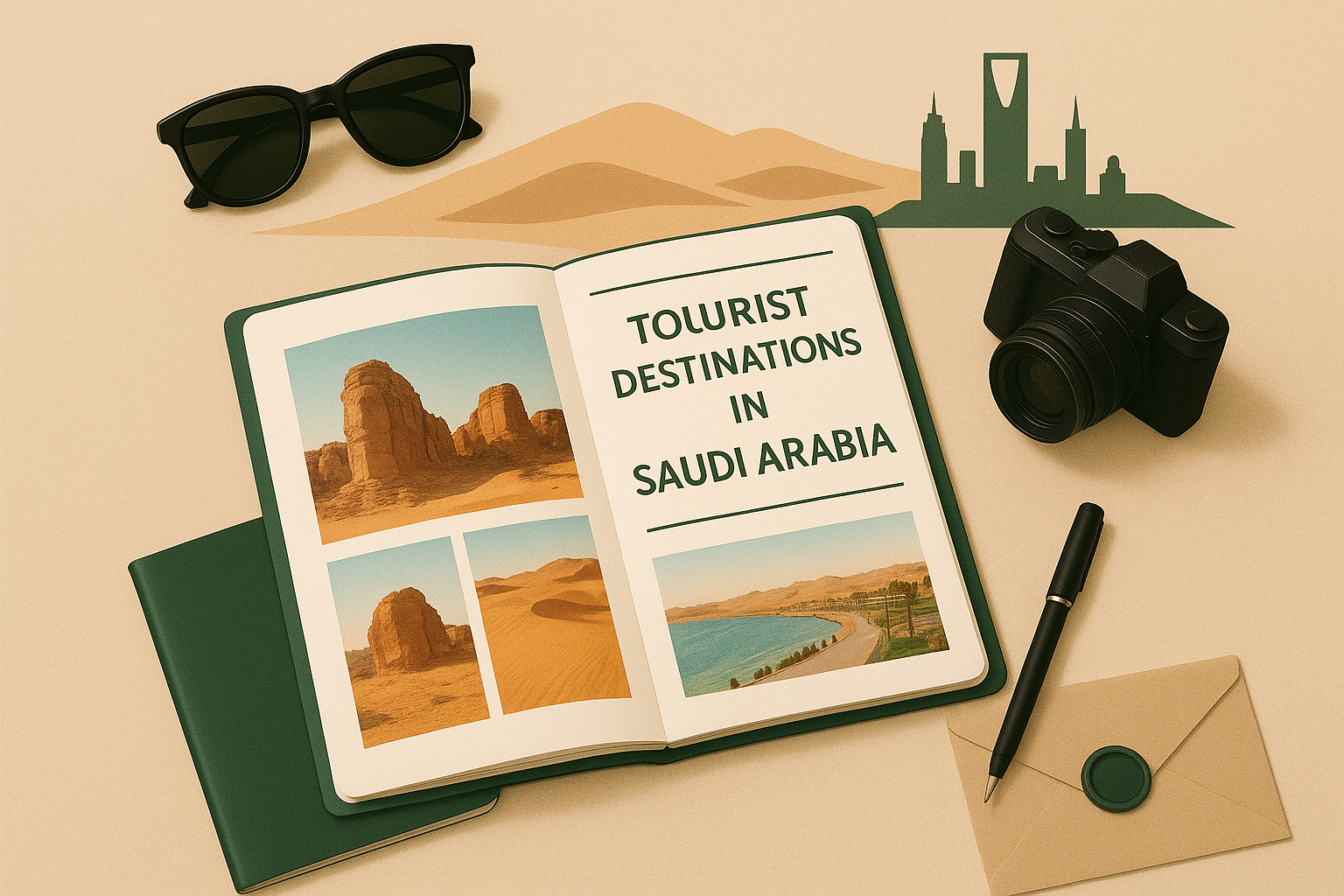
Top Tourist Destinations in Saudi Arabia
Saudi Arabia is home to some of the world’s most remarkable historical sites, natural landscapes, and cultural experiences. With the Kingdom’s tourism sector expanding under Saudi Vision 2030, international visitors now have greater access to museums, heritage locations, outdoor adventures, and modern urban attractions. Whether you are traveling for religious, cultural, or leisure purposes, Saudi Arabia offers destinations that reflect both its ancient heritage and contemporary development.
Makkah and Madinah
Makkah (Mecca)
Makkah is the holiest city in Islam and the birthplace of the Prophet Muhammad (peace be upon him). Each year, millions of Muslims travel to Makkah for Hajj and Umrah pilgrimages. The city is home to:
Masjid al-Haram (The Grand Mosque)
Kaaba, the spiritual center of the Islamic faith
Abraj Al-Bait Towers, featuring hotels, shops, and prayer facilities
Note: Travel during Hajj season requires special permits. Visitors may review Hajj and Umrah travel instructions before planning their trip.
Madinah
Madinah is the second holiest city in Islam and the site of the Prophet’s Mosque, Al-Masjid an-Nabawi, where the Prophet Muhammad (peace be upon him) is buried. The city offers:
Religious learning centers
Historical mosques
A peaceful atmosphere for worship and reflection
AlUla and the Nabatean Heritage Sites
Located in the northwestern region of the Kingdom, AlUla is an open-air museum of ancient civilizations. Its most famous landmark, Hegra (Madain Salih), is a UNESCO World Heritage Site featuring:
Carved tombs similar to Petra in Jordan
Desert valleys, sandstone cliffs, and archeological remains
The AlUla Old Town walkway, markets, and heritage restaurants
The region hosts cultural festivals, concerts, and desert exploration activities.
Riyadh: The Modern Capital
Riyadh blends historical heritage with modern development. Key attractions include:
Al Masmak Fortress – A landmark of Saudi unification history
National Museum of Saudi Arabia – Showcasing the Kingdom’s cultural evolution
Kingdom Centre and Boulevard City – Shopping, dining, and entertainment districts
Riyadh also serves as a gateway to desert tours and nearby heritage sites like Diriyah.
Diriyah: The Birthplace of the Saudi State
Located just outside Riyadh, Diriyah is recognized as the first capital of the Saudi royal dynasty. The historic district of At-Turaif is a UNESCO World Heritage Site offering:
Restored mudbrick palaces
Museums and cultural exhibits
Traditional Najdi architecture
Diriyah is being developed into a major cultural tourism hub with restaurants, galleries, and walking trails.
Jeddah and the Red Sea Coast
Jeddah is a gateway for pilgrims traveling to Makkah and Madinah, but it is also known for its coastal attractions, including:
Historic Jeddah (Al-Balad) with old coral-stone buildings and souks
The Jeddah Corniche with waterfront parks and art installations
Nearby Red Sea resorts for diving, snorkeling, and marine expeditions
Future development plans include luxury islands and eco-tourism destinations along the Red Sea Project coastline.
Abha and the Asir Mountains
For cooler temperatures and mountain landscapes, visitors head to Abha and the Asir region, known for:
Village architecture built from stone and clay
Green terraced hillsides and nature reserves
Cultural festivals featuring traditional music and dance
The Al-Soudah highlands are among the highest peaks in Saudi Arabia, offering scenic viewpoints and outdoor hiking trails.
FAQs
Q1: Do I need a visa to visit Saudi Arabia for tourism?
Most travelers can apply for the Saudi Tourist Visa, which allows leisure travel to most regions of the Kingdom.
Q2: Are Makkah and Madinah open to all tourists?
Entry to the central holy sites in Makkah and Madinah is reserved for Muslims. Non-Muslim visitors may explore other destinations across the Kingdom.
Q3: What is the best time of year to visit Saudi Arabia?
The cooler months, October to April, are generally the most comfortable for travel, especially outdoor activities.
Q4: Can I travel independently, or do I need a tour guide?
Visitors may travel independently; however, guided experiences are available for heritage sites, desert activities, and cultural tours.
Travelers should respect local customs, including modest dress in public areas, especially religious and traditional sites.